Two-minute brain games for a quick mental reset
Updated · 4 min read
Sometimes you need a short break that is not another feed. A two-minute puzzle asks for real attention, which is exactly what pulls your mind off whatever it was stuck on, and then it is over. These are the brain games we keep coming back to, sorted by the kind of thinking they use. All of them are free, run in a browser tab and start without an account.
A word on what brain games do
Let us be honest first. Getting better at a puzzle mostly makes you better at that puzzle; there is no good evidence that a few minutes of brain games makes anyone smarter in general. What they are great for is a break: a short burst of focus on something with clear rules, a little satisfaction when you solve it, and a clean reset before you go back to work. That is reason enough.
The all-in-one daily workout
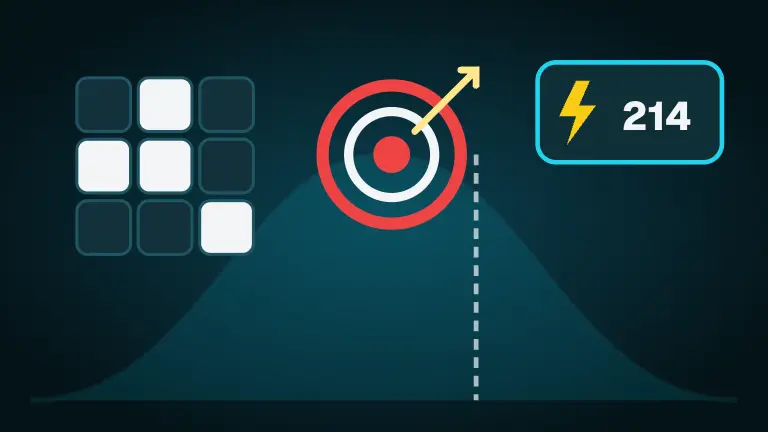
- Brain Gym: five one-minute drills for speed, memory, math and focus, adding up to one daily score. Do one drill for a two-minute break or all five when you have longer. There is free play for any drill too.
- Brain Bench: seven quick tests of reaction time, memory and aim. Each test takes moments, and chasing your personal bests is oddly compelling.
Memory
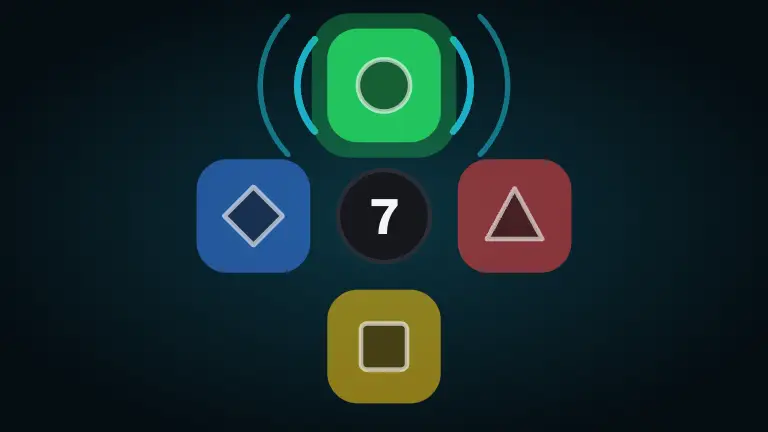
- Echo: watch the lights, hear the tones, play it back. One more step every round. It is quiet enough with the sound off, too: the lights are all you need.
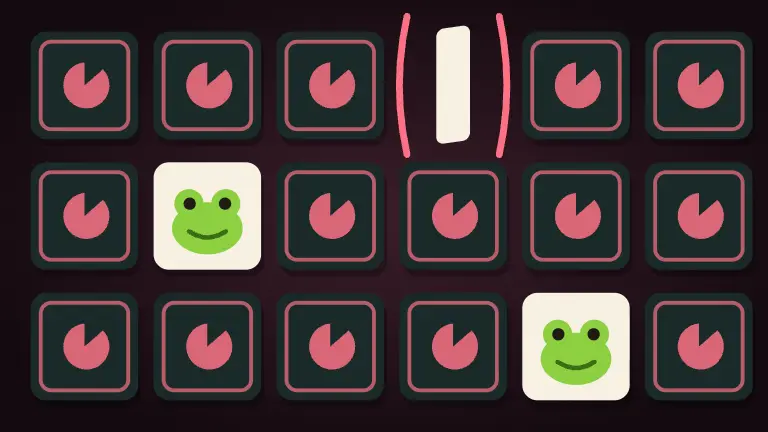
- Pair Up: flip two cards, find the match. Race the clock alone, or take turns with friends.
- Spot the Difference: two scenes, a handful of differences and a ticking clock. A different kind of attention: slow, careful looking.
Mental math
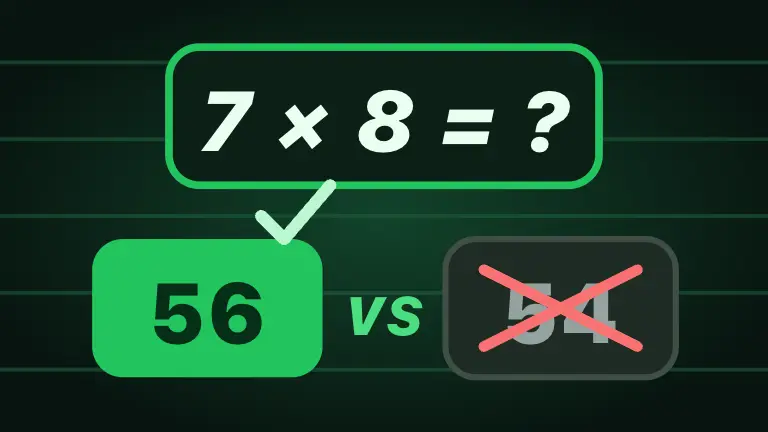
- Math Duel: head-to-head mental math against the computer or a friend. Answer first to win the point.
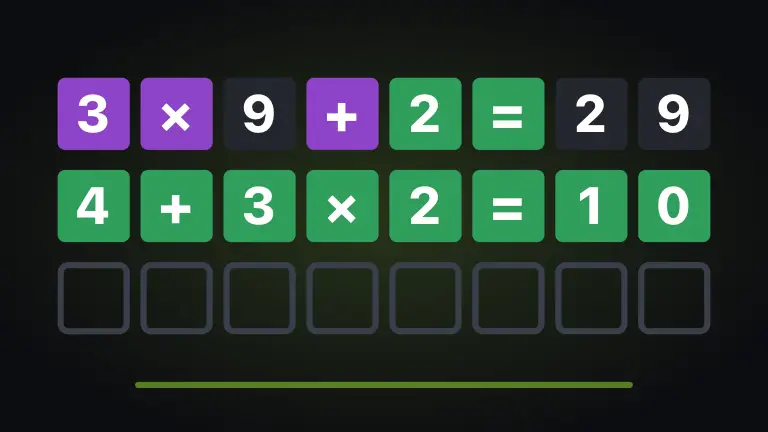
- Equate: guess the hidden equation in six tries, where every guess has to add up. The Mini is a quick version for a short break.
- Cage Math: fill the grid so no digit repeats and every cage hits its target. The 4x4 daily is a perfect two-minute puzzle.
Quick logic grids
Small logic puzzles have one answer, reachable by reasoning alone. The small ones take a couple of minutes once you know the rules.
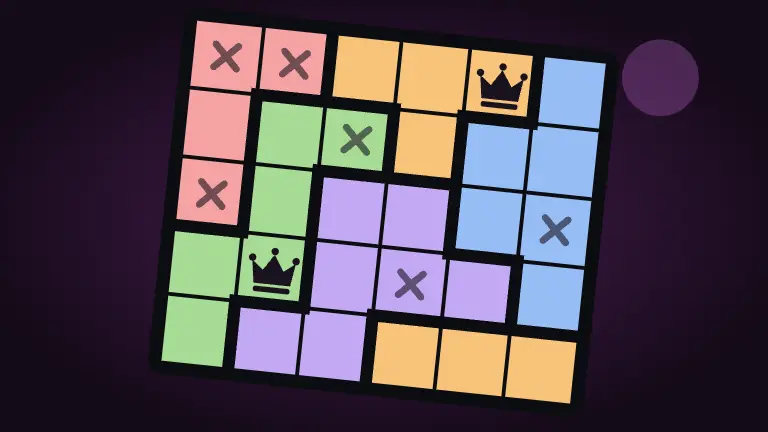
- Queens Court: one queen in every row, column and color region, and no two touching. Start with the smallest color region.
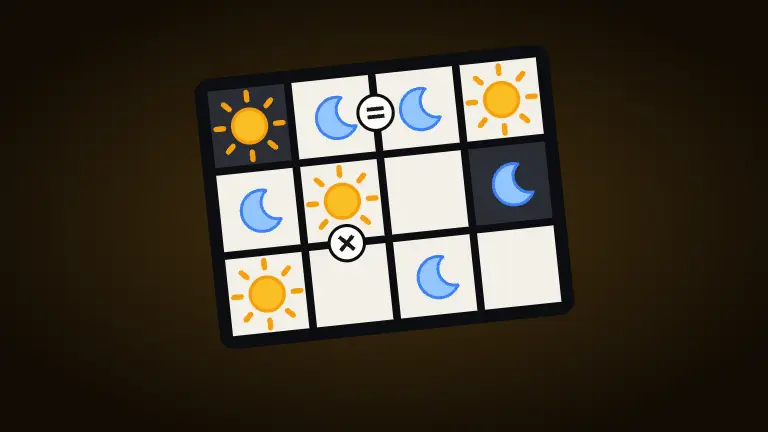
- Sun & Moon: fill the grid with suns and moons, balanced in every row, with no three in a row.
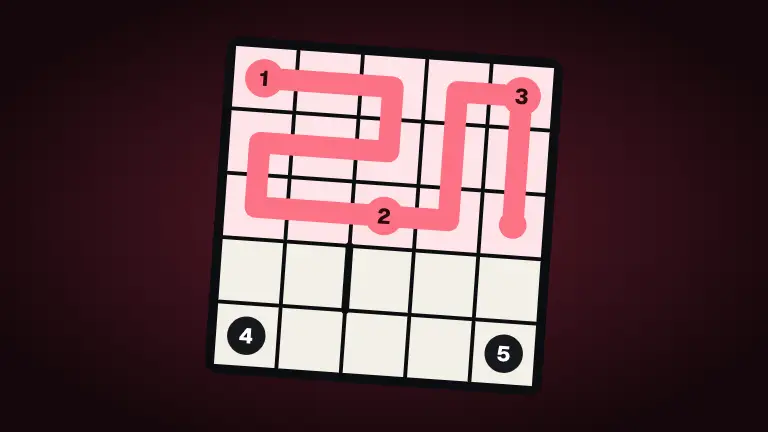
- Number Path: draw one path through every cell, hitting the numbers in order.
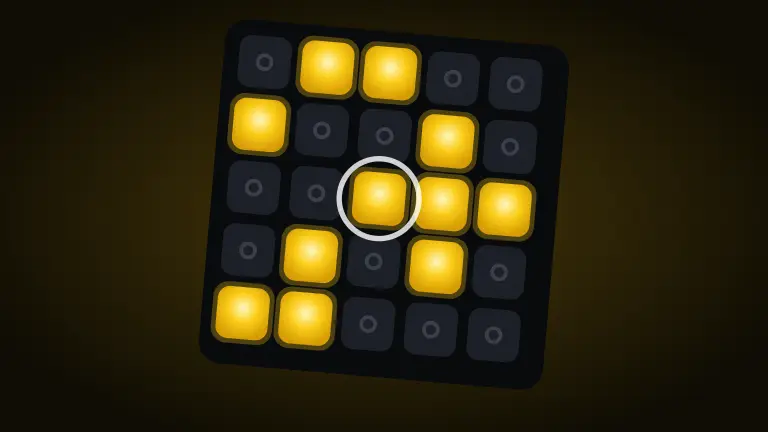
- Flip Lights: every tap flips a light and its neighbors. Turn them all off in as few moves as you can.
Fast word puzzles
- Mini Cross: a pocket crossword, often solved in a couple of minutes.
- Five Letters: one word, six guesses; the clues reward careful thinking more than a big vocabulary.
- Scramble: unscramble four words, then use their circled letters to crack the punchline.
- Hangman: a word a day, a letter at a time.
Speed and reaction
- Type Race: type a passage to drive your car against three computer cars and your own best run.
- Twin Flash: any two cards share exactly one symbol; spot it first. It is a party game, but the quick rounds make a great solo reflex test against computer players too.
- Block Fit: place the three pieces you are dealt and clear rows and columns. Calm, but every placement is a small spatial puzzle.
A two-minute menu for every kind of day
- Foggy morning: one drill of Brain Gym to wake up, then back to work.
- Stuck on a problem: a small logic grid like Sun & Moon. Coming back to the problem fresh often unsticks it.
- After a long meeting: Echo or Pair Up, something that uses a different part of your attention.
- Restless: a reaction test in Brain Bench or a quick Type Race.
- End of the day: Mini Cross, calm and wordy, as a line between work and evening.
Brain games with someone else
A quick puzzle is even better against a friend. Math Duel is head-to-head mental math, Pair Up takes turns with up to six players, and Code Breaker lets you set a secret code for a friend to crack. Send the invite link, and a two-minute match becomes a small rivalry. Playing with other people needs a free player; everything else plays with no sign-up.
How to make a two-minute break work
- Pick one game, not a menu. The time you spend deciding is time you are not resting.
- Prefer games that end: one drill, one grid, one word.
- Look away from the screen afterwards. A few seconds of looking out of a window is part of the break.
- Keep a small rotation. Two or three favorites keep it fresh without the decision fatigue of fifty.
- Track it if you like numbers. Personal bests in Brain Bench and the daily score in Brain Gym make a nice record over weeks.
When you have five minutes, not two
If a break is a little longer, the full daily puzzles fit nicely. Quick games for a five-minute work break has five-minute menus, and How to build a daily puzzle habit that sticks shows how to turn a few of them into a routine you keep. For school free time, see Classroom-friendly games for free time.