How to build a daily puzzle habit that sticks
Updated · 4 min read
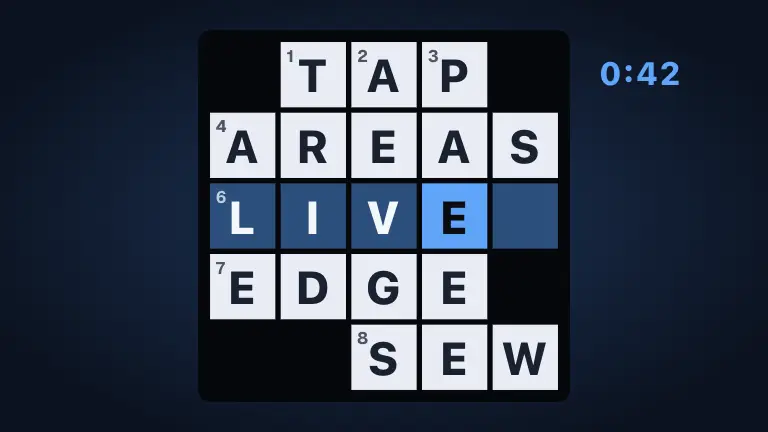
Plenty of people try a daily puzzle, enjoy it for a week, and then forget about it. The ones who are still playing a year later usually did not have more willpower; they set it up so the puzzle fits into the day without a decision. This guide is about that setup. For the full list of daily puzzles, see Daily word and logic puzzles worth keeping a streak for.
Why a daily puzzle is a good habit
- It is small. Most dailies take two to five minutes, which is easy to protect even on a busy day.
- It ends. There is one puzzle a day, so it never turns into an hour of scrolling.
- It is shared. Everyone gets the same puzzle, so there is always someone to compare notes with.
- It shows progress. Stats and streaks make a few minutes a day add up to something you can see.
There is one more benefit people mention more than any other: a daily puzzle is a small win before the day has a chance to go wrong. Even on a terrible day, you solved something.
Step one: pick three, not ten
There are dozens of daily puzzles on Knockout, and the fastest way to burn out is to try to keep up with all of them. Pick three you actually like, ideally one of each kind, and treat everything else as optional extras.
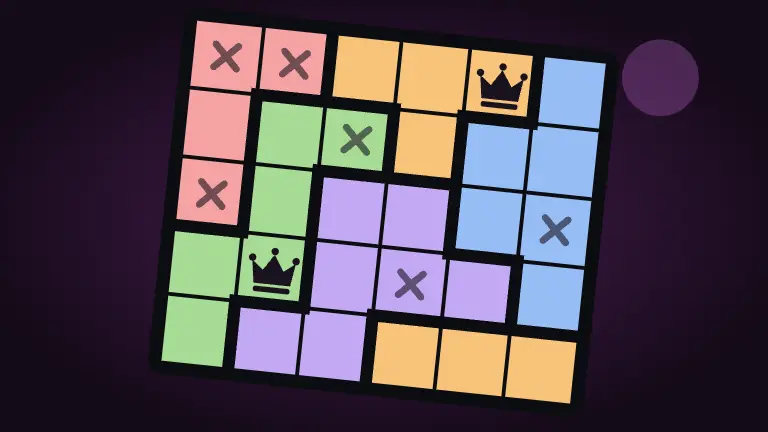
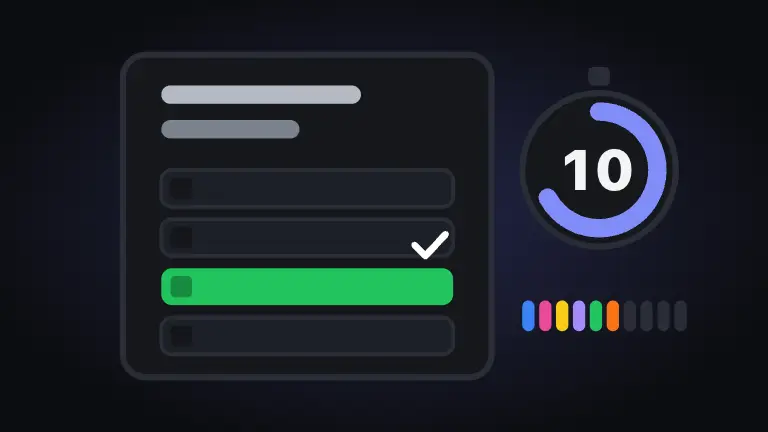
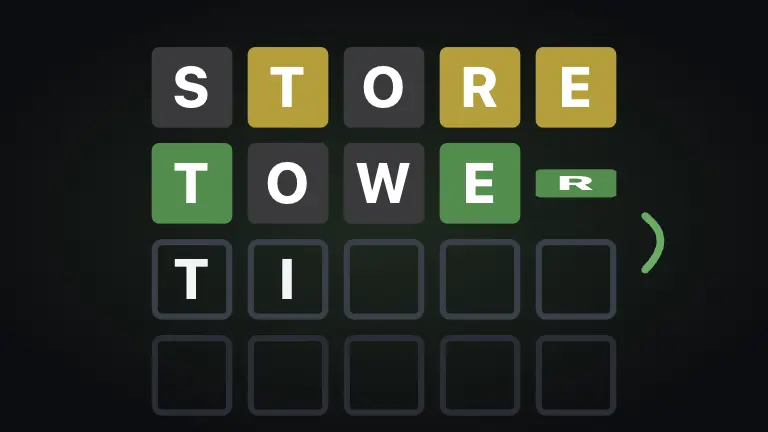
- A word game: Five Letters, Mini Cross or Four Groups.
- A logic puzzle: Queens Court, Sudoku or Nonogram.
- Something different: Daily Ten for trivia, Outline for geography, or Equate for numbers.
Mix the kinds of thinking. Three word games in a row blur together; a word game, a logic grid and a trivia round feel like three different things, which keeps all three fresh.
Step two: attach it to something you already do
Habits stick best when they ride on an existing routine. Instead of "I will do puzzles every day", try "I do the crossword with my first coffee". Some anchors that work well:
- The first coffee or tea of the day.
- The commute, if someone else is driving.
- The first five minutes of a lunch break.
- Right after you close your work laptop, as a line between work and evening.
- Last thing before bed, if a puzzle relaxes rather than wakes you.
Play them in the same order each time. The order becomes part of the routine, and finishing the third one becomes its own small signal that you are done.
Step three: make it one tap away
- Use the Daily tab. It lists every daily puzzle in one place, shows what you have already finished today, and keeps your streaks together.
- Bookmark it. A bookmark or a pinned tab skips the search and the decision.
- No account needed. The dailies play with no sign-up, and your stats and streaks are kept in your browser. Make a free player when you want to add friends.
Step four: protect the streak, but not too hard
Streaks are great motivation, right up until you break one and feel like giving up. A few ways to keep them working for you:
- Each daily keeps its own streak, and there is one more streak across them all. On a busy day, one quick puzzle keeps the overall streak alive.
- A week in a row earns a streak freeze that covers a missed day, so one bad day does not reset everything.
- The day turns over at midnight US Central time. If you live elsewhere, learn when that is for you, so a late-night puzzle counts for the right day.
- If a streak does break, start the next one the same day. The habit matters more than the number.
Step five: make it social
The best reason to keep playing is other people. Because everyone gets the same puzzle, a daily is an easy conversation starter:
- Share your result in a group chat. The share text shows how you did without spoiling the answer.
- Add friends, and the Daily tab shows how they did today.
- Start a friendly rivalry on one puzzle. Fewest guesses in Five Letters or the fastest Mini Cross for the week.
It is also a lovely way to stay in touch with people far away; see Games to play with long-distance friends and on a video call.
Step six: let the puzzles grow with you
After a few weeks the easy puzzles start to feel easy, which is the point. Keep the habit interesting by stepping up a level:
- Move up a difficulty in Sudoku, or try Killer Sudoku or Kakuro once regular grids feel routine.
- Try a bigger Nonogram or Cage Math board at the weekend, when there is more time.
- Use practice and archive modes. Most dailies have one, and a few extra puzzles a week build pattern recognition fast.
- Swap one of your three every month or so. A new puzzle keeps the routine from going stale.
A simple 30-day plan
- Week one: one puzzle a day, at the same time. Just show up.
- Week two: add a second puzzle of a different kind.
- Week three: add the third, and share one result with a friend.
- Week four: look at your stats. Your average guesses or solve times have almost certainly improved.
Ten minutes a day, three puzzles, one routine. That is the whole trick. If you want something even quicker on busy days, Two-minute brain games for a quick mental reset has puzzles that take a couple of minutes.