Game night ideas for groups of every size
Updated · 5 min read
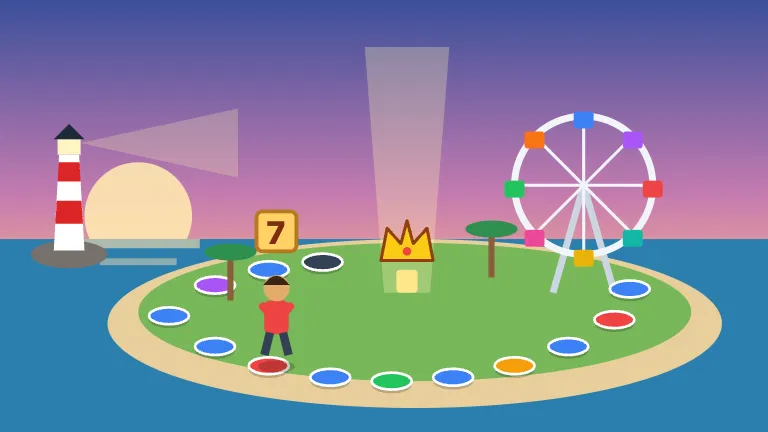
A good game night is mostly about pacing. The games matter, but the nights people remember are the ones where nobody sat out for long, the rules never stalled the room, and the evening built to something. This guide gives you a running order that works for most groups, then the best games for each group size, then a few theme nights to try.
A running order that works
Plan for about two hours and four stages. You will not always follow it, but having it means you are never standing in front of the TV asking what to play next.
- Warm-up, 10 to 15 minutes: something everyone understands instantly, while people are still arriving. Late arrivals can join the next round.
- Main event, 45 to 60 minutes: the game the night is built around. Something with a little strategy, a little table talk and a clear winner.
- Change of pace, 20 minutes: a loud, silly game to reset the energy after the main event.
- Wind-down, 15 minutes: a quick co-op or a gentle game that ends the night with everyone on the same side.
Every game here runs in the browser, so the setup is the same for all of them: put the table on a TV at knockoutonlinegames.com/tv or share an invite link, and everyone plays on their own phone. The full setup is in Party games on the TV with phones as controllers.
Warm-ups anyone can play



- Trivia Night needs no explanation: a question appears, everyone answers on their phone, fastest correct answers climb the leaderboard.
- This or That: two options, pick a side in secret, predict how the room splits, then watch the reveal. A good way to get people talking.
- Twin Flash: any two cards share exactly one symbol. Spot it first. Two to eight players, rounds take a minute.
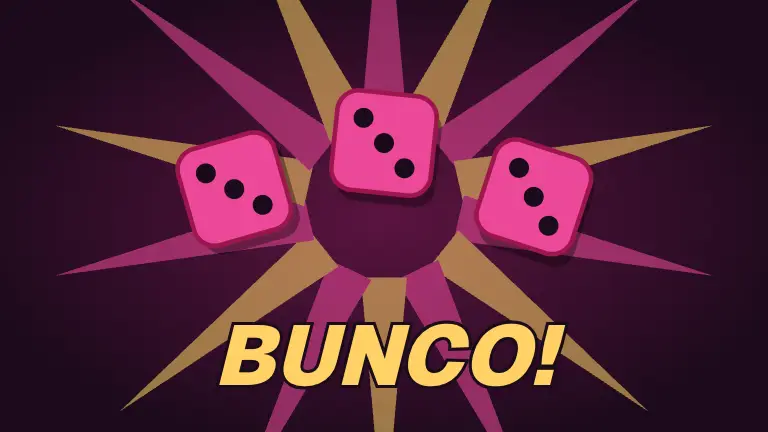
- Bunco: fast team dice rounds and a lot of noise. Two tables at eight players.
Four to six players
This is the sweet spot for board games. Everyone gets a real say, turns come round fast, and a 45-minute game fits comfortably.

- Party Isles is a party board game on a sunset island for two to four: roll, race round the boardwalk to buy crowns, and play a quick minigame after every turn, including team rounds. Short a player? The computer fills in.
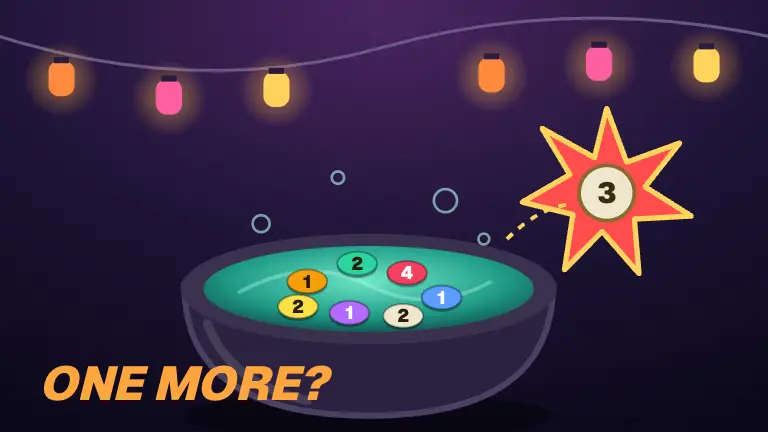
- Brewhaha: everyone brews at once, drawing ingredients from their own bag and stopping before too many Bang Beans burst the pot. Simultaneous turns mean no waiting. Great on a TV.
- Bogmoor is the classic main event for three to six: trade, build and race to the points target. If anyone is new, see Bogmoor beginner strategy guide.
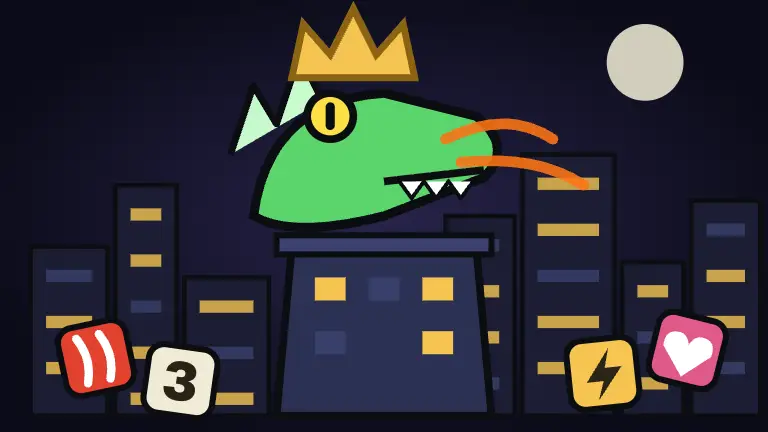
- Monster City: six giant monsters, six dice, one city. Roll for points, claws or hearts and knock the king off the Tower.
With four players who like cards, a partnership game like Spades or Euchre is a great main event too.
Seven to twelve players
Bigger groups need games where everyone plays at once, or where the group splits into teams. Avoid anything where eleven people wait while one person takes a turn.
 Top Answers2-10 players, 2 teams
 Hat Trick4-12 players, 2-3 teams
 Village Night5-12 players
 Punchline3-8 players
- Top Answers: two teams name the crowd's most popular answers. Works with up to ten and turns any room into a studio audience.
- Hat Trick: four to twelve players in two or three teams. Everyone puts names in the hat; the same names come out three times: describe, then one word, then act it out.
- Village Night: the classic hidden-role game for five to twelve. Talk, accuse and vote. Best when the group knows each other a little.
- Punchline and Most Likely keep everyone playing every round, and get funnier as the night goes on.
The change of pace
After a long main event, people want to move. A motion game with phones as controllers is perfect here: Bowling, Field Day or Wobble Dash. If you would rather stay seated, Lucky Seven (flip cards and bank before you bust) and Shell Stack (a tortoise betting derby where the whole stack moves at once) are quick, loud and easy to follow.
Ending on the same side
Close with a co-op so the night ends with a shared win or a shared groan. One Clue works for three to seven and takes ten minutes. Defuse has one player holding the bomb and everyone else reading a manual that is new every game. Wire Cutters is a quiet deduction game for two to five where you only see your own wires.
Theme nights
A theme gives people something to look forward to and makes picking games easier.
- Game show night: Quiz Board, Top Answers and Spin to Win, with a running score across all three. Keep score on paper and give the winner something silly.
- Family night: Pair Up for the youngest, Race Home and Life Lanes for everyone, and Know-It-All, a trivia race round a wheel of six categories: earn a badge in each, then win it all in the center.
- Coworker social: stick to team games and game shows where nobody is singled out. Trivia Night, This or That and Tint Hint work well, including for people joining remotely.
- Board game marathon: one long game like Bogmoor or Landmarks for seven, with quick card games like Deck Dash between rounds.
- Sports night: a tournament of Bowling, Darts and Table Tennis with phones as controllers. Seed the bracket by who lost the last game night.
Practical tips
- Pick the main event ahead of time and tell people. Excitement starts before anyone arrives.
- Teach by playing. Every game has its rules a tap away, and most explain themselves in the first round better than any speech.
- Use computer players to fill odd seats or to let a host step away without stopping the game.
- End a game while people still want more. Leaving on a high is why the next game night happens.
- Remote friends can join any table game from the invite link, so a friend who moved away can still be part of it.
For more ideas sorted by mood, see The best free online games to play with friends, and for longer strategy picks, Free board games online, with no download.